Home valuation Toronto red flags to check before you accept
Spot valuation mistakes that cost Toronto buyers and sellers. Learn red flags to watch, precise questions to ask, and when to order a CMA or appraisal.

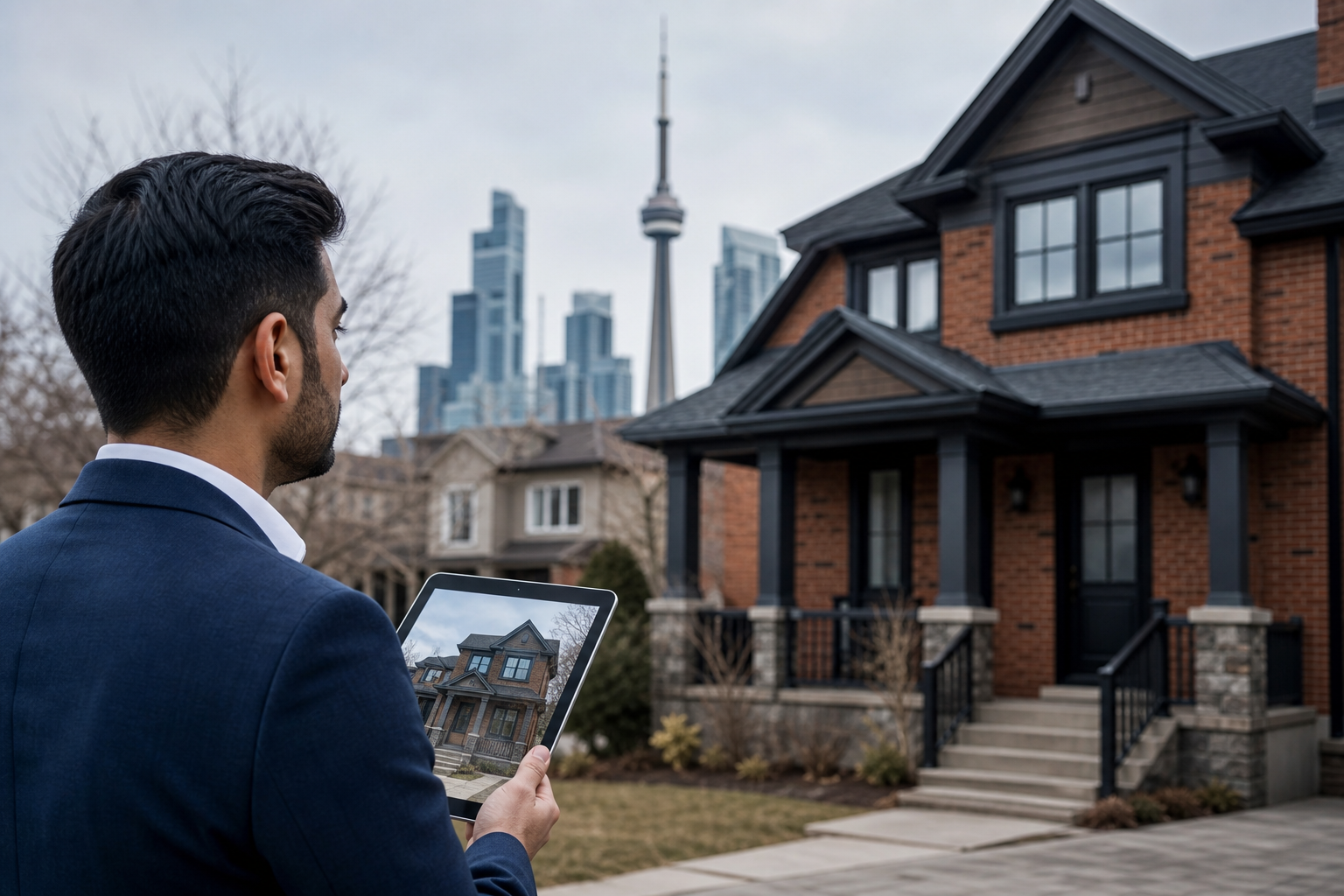
Home valuation Toronto red flags to check before you accept
When you need a reliable number for pricing, negotiating, or financing in Toronto or the Greater Toronto Area, a poor valuation can cost tens of thousands or derail a deal. This article lists the red flags that make a valuation unreliable, explains why they matter locally, and gives exact questions to ask agents, appraisers, and automated services so you get a defensible result.
Why an accurate valuation matters in Toronto and the GTA
An accurate valuation drives three decisions: the listing price, an offer strategy, and lender or refinance requirements. A mispriced listing can sit or sell below market, and an offer based on a weak estimate leaves you exposed to overpaying or losing a bidding war. Lenders often require a formal appraisal when underwriting mortgages and refinances, so knowing which valuation matches your need is essential. For how appraisal processes affect mortgage decisions, see guidance from the Canada Mortgage and Housing Corporation.
Expect neighbourhood-level differences across Toronto pockets, where micro-markets such as condo towers, midrise streets, and low-rise family areas behave differently. Sankalp Marwaha Real Estate combines live MLS search and recent sold context to ground valuations in local market movement and comparable data.
Which valuation method is right: CMA, professional appraisal, or automated estimate
There are three common valuation approaches and each has a clear role.
- Comparative market analysis (CMA), produced by a realtor, uses recent solds, active listings, and listing history to recommend a market price and a short pricing range. A CMA is the most practical tool for setting a listing price or crafting an offer strategy.
- Licensed appraisal is a formal inspection and report by a certified appraiser. Lenders often require an appraisal for underwriting and refinances, and appraisals follow professional standards and documentation. For how appraisal processes affect mortgage applications, review CMHC guidance on home value and mortgage management.
- Automated valuation model (AVM) or instant estimator uses public records and algorithms to produce a quick number. AVMs are useful for initial screening but they are limited for condos, uniquely renovated homes, and atypical properties in Toronto.
Use a CMA when you need a listing price or negotiation plan, order an appraisal for lender or refinance requirements, and treat AVMs as a starting point only.
Red flags that make a valuation unreliable

Below are the common red flags you should watch for. Each item explains the local risk, the consequence, and exactly one question to ask the provider so you can push for clarity.
No recent sold comparables or irrelevant comparables
Risk: Using solds that are old, from different streets, or from different building types masks how a Toronto micro-market has shifted. Markets can change quickly where a single condo release, zoning change, or transit update alters demand. Consequence: price swings or wrong assumptions about demand. Ask the provider, "Can you show three to six sold comparables within X kilometres and the sale dates so I can see how recent market movement was used in your estimate?"
Report based only on an AVM with no human check
Risk: AVMs miss interior condition, suite layouts, and recent upgrades. For condos, AVMs often mis-handle unit floor level, view, or parking. Consequence: an AVM-only figure can be materially off. Ask, "Was a local expert or appraiser able to review this AVM and what specific local adjustments did they make?" For how AVMs compare to appraisals, see CMHC’s overview of home value and appraisal roles.
Valuation ignores property condition or recent upgrades
Risk: Cosmetic and structural differences matter in Toronto. A modern kitchen, new roof, or upgraded mechanicals can move buyer perception and price. Consequence: undervaluing or overvaluing the property if condition is not inspected. Ask, "Did you inspect inside the property and how did you quantify the value of recent renovations or deferred maintenance in your estimate?"
Vague report with no source data or methodology
Risk: A headline number without a comparables table, adjustment rationale, or search radius is impossible to verify. Consequence: you cannot defend the number during negotiation or to a lender. Ask, "Can you provide the full comparables table, the search parameters you used, and the adjustment calculations so I can review the methodology?"
Provider ties valuation to a sales pitch or hidden obligation
Risk: Some valuation offers come wrapped in a marketing push that presumes you will list with the provider. Consequence: pressure to accept services or bundled costs you did not plan for. Many reputable teams clarify that there is no obligation to list after a valuation. Ask, "Is there any obligation to list or to pay for services after I receive this valuation?" For an example of a realtor FAQ that clarifies obligations, see a local team FAQ.
Single-point estimate with no price range or sensitivity
Risk: A single number gives no sense of market uncertainty. Toronto pockets can move quickly so a range or scenario analysis is more defensible. Consequence: unrealistic expectations in offers or listing price. Ask, "Can you provide a conservative, likely, and optimistic price range with the assumptions for each scenario?"
Exact questions to ask each valuation provider in Toronto
Below are concise, copy-ready question lists for agents, licensed appraisers, and AVM services. Use them on calls or in emails when you request a valuation.
What to ask a listing agent or buyer agent requesting a CMA
- Which sold comparables did you use and what are the addresses and sale dates?
- What search radius and date range did you use for comparables?
- How did you adjust for differences such as lot size, condo maintenance fees, floor level, and renovations?
- Is there any obligation to list with you after the CMA? Please confirm in writing. For an example, see common realtor FAQs.
- Can you show a pricing range and explain the assumptions for each end of the range?
What to ask a licensed appraiser
- What standards or reporting format will you follow and is this report acceptable to lenders?
- Will you inspect the interior and any outbuildings and how long does the inspection take?
- What are your credentials, licensure, and professional liability insurance?
- What is the delivery timeline and will you provide support if the lender or I dispute the valuation?
What to ask an AVM or instant valuation source
- Which data sources feed your model and when was the last update for this neighbourhood?
- What is the typical error margin or confidence interval for properties like mine?
- Is a human review available and what does reconciliation with local solds look like?
- Can I get the AVM with a local comparables table to compare adjustments?
Local considerations and Ontario consumer protections to remember

Ontario residents should check consumer protection guidance when hiring agents or contractors and research any builder or vendor before buying new or pre-construction properties. The provincial guide explains protections and steps for buyers and sellers, and the CMHC condominium checklist covers important items such as new home warranties and completion timelines that affect valuation. Keep these official resources handy when you evaluate a valuation provider.
- What to know before buying a home, Ontario government
- Condominium buyer checklist, CMHC
How to decide which valuation to order: decision criteria
Use this short checklist to decide what you need.
- Transaction type: listing or offer strategy usually needs a CMA, refinance or lender requirement needs an appraisal.
- Property type: condos and new builds may need deeper document review; unique renovations may require an appraiser or in-person CMA inspection.
- Accuracy required: if stakes are high, choose a licensed appraisal or ask an agent for a detailed CMA plus backup solds.
- Timeline and budget: AVMs are instant and free, CMAs are low-cost and fast, appraisals take longer and have a fee but are lender-recognized.
Common objections and how to weigh them
Cost concerns for appraisals are valid. Weigh the appraisal fee against downside risk: lender delays, renegotiated offers, or refinancing surprises. AVMs feel free but lack nuance for Toronto condos and renovated homes. If you fear committing to an agent after a valuation, ask directly about obligations and written confirmation that there is no requirement to list, which many teams will provide.
Next steps: how to request a comparable-backed valuation in Toronto
Practical steps to move forward.
- Decide which valuation you need using the checklist above.
- For a pricing decision or negotiation, request a CMA that includes full comparables, sale dates, and the adjustment table.
- For lender certainty or refinance, arrange a licensed appraisal with documented inspection.
- Compare any AVM with the CMA or appraisal results and ask providers to explain material differences.
- When you are ready, request a comparable-backed home valuation to get a CMA tailored to your Toronto neighbourhood and property.
Frequently asked questions
Which valuation is best to set a Toronto listing price: CMA or appraisal
A CMA by a local agent is usually the best tool to set a market listing price and plan negotiation. An appraisal is appropriate when a lender requires formal documentation or when you need an independently certified value for legal or refinance reasons. For how appraisals and mortgage requirements interact, consult CMHC guidance.
Will an agent's CMA require me to list with that agent
No. You should ask the agent to confirm in writing that there is no obligation to list after the CMA. Many teams explicitly state that receiving a valuation does not commit you to listing, see a typical realtor FAQ for an example.
When will a lender or mortgage require a professional appraisal in Ontario
Lenders request appraisals in several cases such as high loan-to-value ratios, refinancing, or non-standard property types. The lender will tell you when an appraisal is required, and appraisal standards are outlined by CMHC and appraisal institutes.
How accurate are automated valuations for Toronto condos and unique properties
AVMs can be useful for quick checks but are often less accurate for condos where floor level, parking, and view affect value, and for properties with unique renovations. Always reconcile an AVM with local solds or a human-reviewed CMA.
For examples of good comparable practice and sample questions to ask when buying, see a Centris overview of buyer questions and a local realtor FAQ. If you are ready to get a comparable-backed valuation, Sankalp Marwaha Real Estate offers CMAs and appraisal guidance across Toronto and the GTA.
Written by
sankalp marwaha